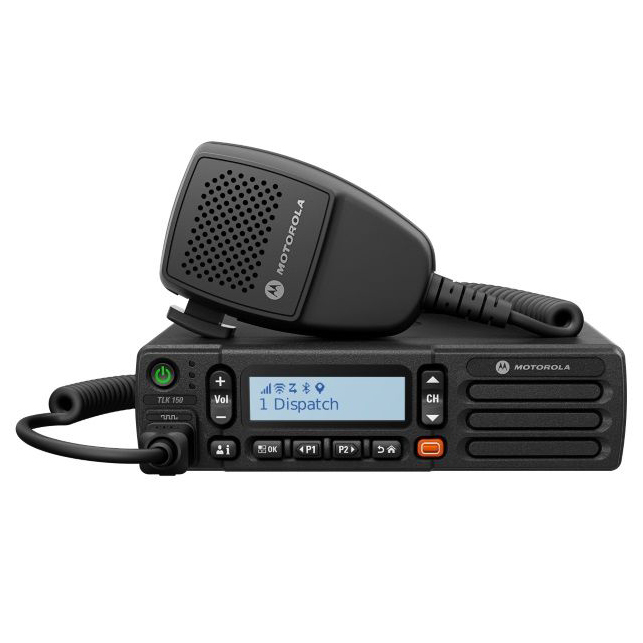
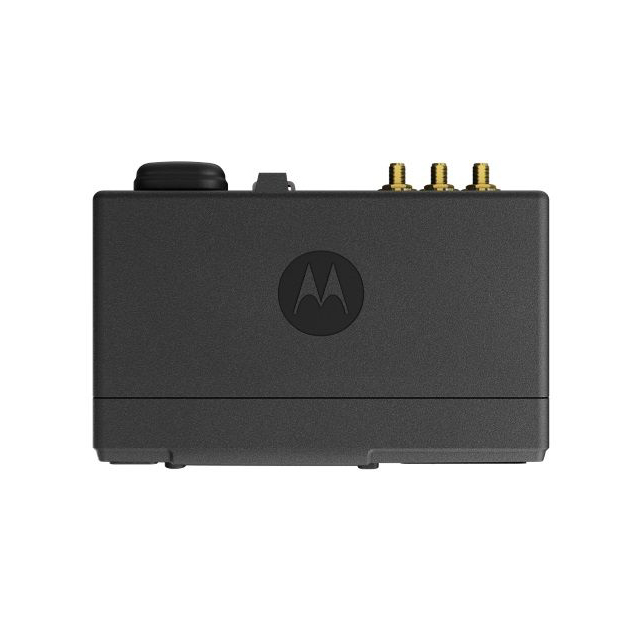
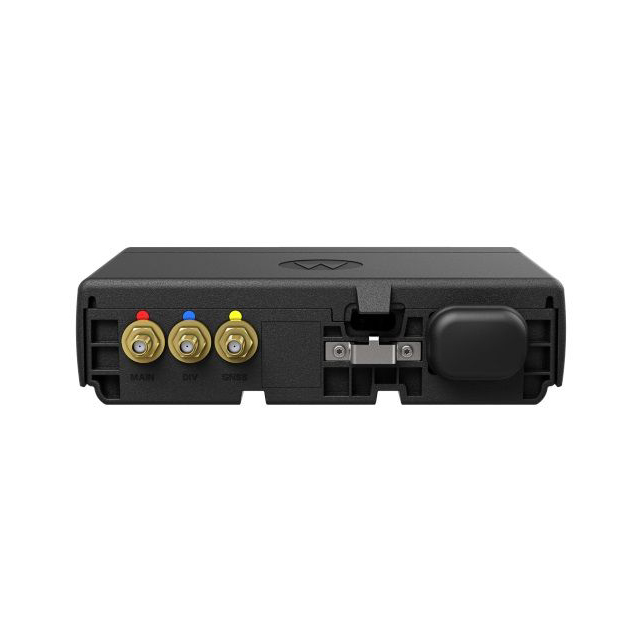
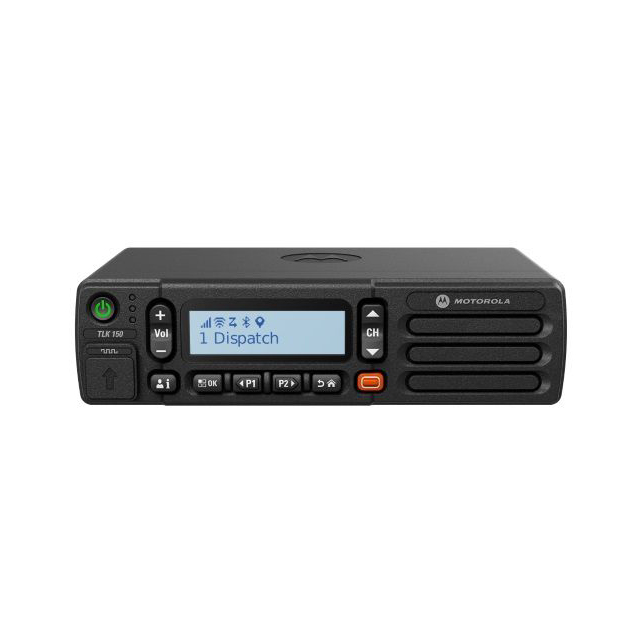
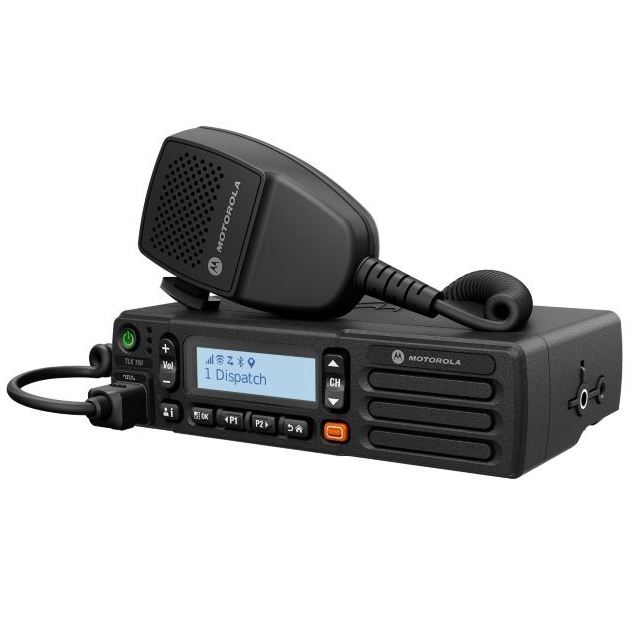
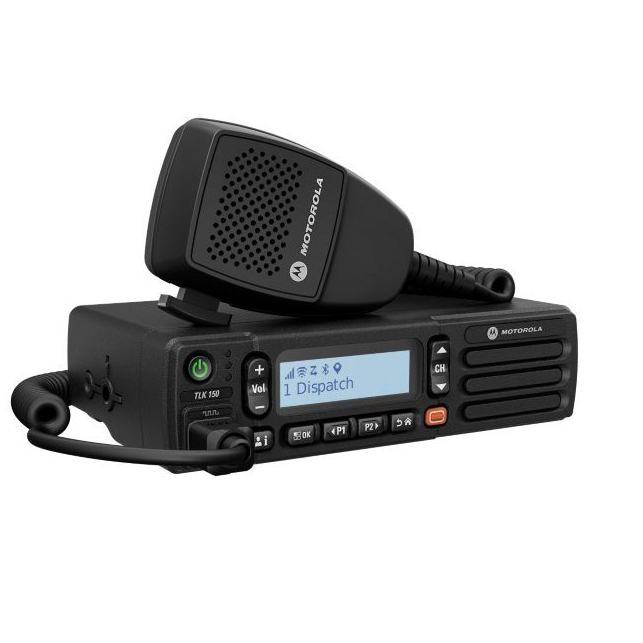
Motorola TLK 150 Mobile Push-to-Talk Radio
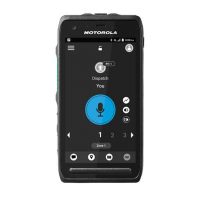
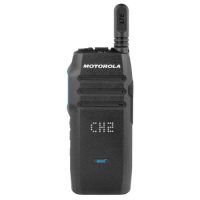
Stay connected across Australia with the Motorola TLK 150 Mobile Two-Way Radio. Designed for fleet vehicles, transport operations, construction teams, and field services, the TLK 150 combines nationwide Push-to-Talk over Cellular (PoC) coverage with the simplicity of a traditional two-way radio.
Using Motorola WAVE™ technology, teams can communicate instantly across vehicles, smartphones, and compatible MOTOTRBO™ radio systems without costly repeater infrastructure.
Key Benefits
- Nationwide Push-to-Talk communication
- Simple one-button operation
- 4G LTE and Wi-Fi connectivity
- GPS location tracking and worker safety features
- Loud, clear wideband audio for vehicles and noisy environments
- Remote fleet management and over-the-air updates
- Works with compatible MOTOTRBO™ systems
- Ideal for transport, logistics, construction, security, and field operations
Speak with Radio Industries to design the right wide-area communication solution for your business.
$905.30 Inc GST
Get A Quote
Australia Wide Delivery
Fast & Reliable
Expert Support
Specialist Advice
System Designed
Tailored Solutions
Motorola TLK 150 Mobile Two-Way Radio Australia
The Motorola TLK 150 Mobile Two-Way Radio is a professional Push-to-Talk over Cellular (PoC) communication solution designed for businesses needing reliable wide-area communication across Australia.
Unlike traditional UHF radio systems limited by repeater coverage, the TLK 150 uses nationwide 4G LTE and Wi-Fi networks to deliver instant Push-to-Talk communication wherever your teams operate.
At Radio Industries, we help businesses deploy complete communication systems that improve productivity, safety, and coordination across vehicles, worksites, and mobile teams.
Whether you manage transport fleets, construction crews, security operations, shuttle services, or field technicians, the TLK 150 provides simple, scalable, and professional communication without the need for costly radio infrastructure.
Nationwide Push-to-Talk Without Traditional Radio Limitations
The Motorola TLK 150 combines the ease of a two-way radio with the broad coverage of cellular networks. This allows your team to communicate instantly across cities, states, and remote job sites using a familiar Push-to-Talk experience.
Because the system operates over cellular and Wi-Fi networks, businesses can:
• Expand coverage without installing repeaters
• Deploy radios quickly
• Add or remove users easily
• Connect vehicle radios with smartphones and dispatch systems
• Scale operations during busy periods or seasonal projects
Additionally, the TLK 150 can integrate with compatible MOTOTRBO™ radio systems, helping businesses extend their existing communication networks nationwide.
Built for Vehicles, Fleets, and Mobile Teams
The TLK 150 is purpose-built for vehicle installations and mobile operations.
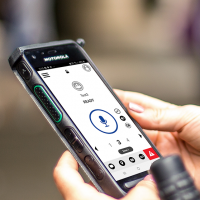
Its compact design allows mounting over, under, or inside dashboards while maintaining easy driver access. The simple display and one-button Push-to-Talk controls minimise distractions and help improve operational safety.
The system is particularly suited to:
• Fleet vehicles
• Transport and logistics companies
• Construction and civil contractors
• Security patrol vehicles
• Shuttle and taxi services
• Maintenance and field service teams
• Warehousing and distribution operations
Because communication is instant and reliable, drivers and operators can coordinate jobs faster while reducing delays and confusion.
Loud, Clear Audio in Noisy Environments
Vehicle cabins, industrial sites, and construction environments can make communication difficult. The TLK 150 is engineered with wideband audio technology and a powerful internal speaker to ensure messages remain clear in noisy conditions.
Optional accessories such as external speakers, remote Push-to-Talk solutions, Bluetooth accessories, and hands-free vehicle kits help further improve communication efficiency and driver safety.
Radio Industries can also supply compatible communication accessories and vehicle installation solutions tailored to your fleet requirements.
Simple Fleet Management and Remote Updates
Managing large communication fleets traditionally requires manual programming and costly downtime. However, the TLK 150 simplifies administration through over-the-air management.
Businesses can remotely:
• Change talkgroups
• Modify user settings
• Add Wi-Fi credentials
• Disable lost devices
• Manage subscriptions
• Update fleets instantly
This reduces operational overhead and keeps teams connected without needing physical access to radios.
Worker Safety and GPS Location Tracking
The Motorola TLK 150 includes GPS location tracking and emergency communication features to help improve worker safety across mobile operations.
Supervisors and dispatch teams can monitor workforce locations in real time, while workers can quickly request assistance using dedicated emergency functions.
For industries such as construction, transport, security, and field services, this provides greater visibility and faster response during incidents or emergencies.
Key Features
• Nationwide Push-to-Talk over Cellular (PoC)
• 4G LTE and Wi-Fi connectivity
• Private and group calling
• GPS location tracking
• AES-256 encryption
• Bluetooth enabled
• Over-the-air programming and updates
• Compact mobile vehicle design
• Loud 4W internal speaker
• Supports up to 96 channels
• 300 contact capacity
• IP54 rated protection
• Compatible with Motorola WAVE™ platform
• Integration with compatible MOTOTRBO™ systems
• Remote fleet management capabilities
Technical Specifications
General Specifications
• Network: 4G LTE / 3G
• Channels: 96
• Contacts: 300
• Bluetooth: V4.2 BR/EDR + BLE
• Wi-Fi: 2.4 / 5 GHz
• GPS: GPS, GLONASS, Galileo, BeiDou
• Audio Output: 4W Internal Speaker
• Encryption: AES-256
• IP Rating: IP54
• Dimensions: 169mm x 44mm x 93mm
• Weight: 1.41 lbs
Ideal Applications
Transport & Logistics
Coordinate drivers, dispatchers, and warehouse teams across Australia using instant Push-to-Talk communication.
Construction & Civil Projects
Keep project managers, machine operators, contractors, and supervisors connected across multiple sites.
Security Operations
Enable reliable communication between patrol vehicles, control rooms, and mobile guards.
Shuttle & Passenger Transport
Improve fleet coordination and customer response times with wide-area coverage.
Field Service Teams
Allow technicians and service teams to communicate instantly without relying on standard phone calls.
Compatible Accessories
The Motorola TLK 150 supports a wide range of professional accessories including:
• Remote Push-to-Talk buttons
• External vehicle speakers
• Bluetooth earpieces
• Wireless speaker microphones
• Vehicle mounting kits
• LTE and GPS antennas
Radio Industries can assist with complete vehicle fit-outs and communication system integration.
Frequently Asked Questions
Does the Motorola TLK 150 work Australia-wide?
Yes. The TLK 150 operates over nationwide cellular and Wi-Fi networks, allowing teams to communicate across wide areas wherever network coverage is available.
Is the TLK 150 a traditional UHF radio?
No. The TLK 150 is a Push-to-Talk over Cellular (PoC) radio that uses 4G LTE and Wi-Fi networks instead of traditional radio frequencies.
Can the TLK 150 integrate with MOTOTRBO systems?
Yes. The TLK 150 can integrate with compatible MOTOTRBO™ systems, helping businesses extend their existing radio networks.
Is the Motorola TLK 150 suitable for fleet vehicles?
Yes. The TLK 150 is specifically designed for vehicle installations and fleet communication applications.
Can I manage radios remotely?
Yes. The Motorola WAVE™ platform allows remote management of users, talkgroups, Wi-Fi settings, and device updates.
Why Choose Radio Industries?
Radio Industries is one of Australia’s leading communication specialists, providing complete two-way radio and Push-to-Talk solutions for businesses across transport, construction, security, industrial, and logistics industries.
We do more than supply products. Our team helps design, deploy, install, and support complete communication systems tailored to your operational requirements.
From nationwide PoC systems to vehicle installations, accessories, dispatch solutions, and ongoing support, we help businesses build reliable communication networks that improve safety and productivity.
Get Expert Advice on Nationwide Push-to-Talk Solutions
Looking for reliable wide-area communication for your vehicles or mobile workforce?
Speak with Radio Industries today for expert advice on Motorola TLK 150 deployment, vehicle installations, accessories, and complete Push-to-Talk communication systems across Australia.
Additional information
| Analog | No |
|---|---|
| Digital | No |
| Bluetooth | No |
| GPS | Yes |
| WiFi | No |
| Intrinsically Safe | No |
| Keypad | Full |
| Screen | Yes |
| Warranty | 2 Years |
| Manufacturer | Motorola |
| Supported Systems | Wave PTX |
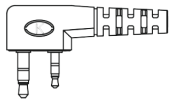
K
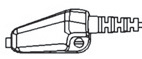
Kenwood Two Pin Right Angle
3.5mm Stereo + 2.5mm Mono
Kenwood:
TK-250/350, 260/360, 260G/360G, 270/370, 270G/370G, TK-3100(ProTalk), TK-3103(Free Talk XL), TK-3102(Pro Power), TK-2160/3160, TK-2170/3170, TL-3130(ProTalk XLS), 3131(Free Talk XLS), TK-2207/3307, TK-2317/3317, TK-3310, TK-2360/3360, NX220/320, NX240/340
Hytera:
HYT TC-368
K2
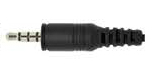
Kenwood Multiple Pin
Kenwood:
TK-280, TK-290, TK-380, TK-385, TK-390, TK-480, TK-481, TK-2041, TK-2140, TK-3140, TK-3148, TK-2180, TK-3180, NX-200, NX300
K4
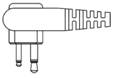
Kenwood Single Pin
Kenwood:
PKT-23
M
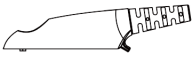
Motorola Two Pin Right Angle
3.5mm Mono + 2.5mm Mono
Motorola:
GP68, GP88, GP300, GP308, GP350, P040, P110, P1225, P1225LS, P2000, CP88, CP125, CP150, CP200, CT150, CT250, CT450, CT450LS, CP476, PRO2150, PRO3150, BRP40, EP450, MTH500, GTX, SP50, LTS2000, PR400
M4
Motorola Multiple Pin
Motorola:
HT750, HT1250, HT1250LS, HT1550, HT1550XLS, MTX850, MTX850LS, MTX900, MTX950, MTX960, MTX8250, MTX8250LS, MTX9250, PRO5150, PRO5350, PRO5450, PRO5550, PRO5750, PRO7150, PRO7350, PRO7450, PRO7550, PRO7750, PRO9150, PTX780, GP140, GP320, GP328, GP329, GP330, GP338, GP339, GP340, GP360, GP380, GP600, GP640, GP650, GP680, GP1280
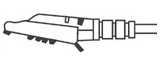
M5
Motorola Multiple Pin
Hytera Multiple Pin
Simoco Multiple Pin
Motorola:
EX500, EX600, GL2000, GP328Plus, GP338Plus, GP628 Plus, PTX760Plus, GP344, GP388, PRO5150Elite
Hytera:
TC380M, TC370M, TC780M, TC780
Simoco:
SRP9170, SRP9180, SDP650, SDP660
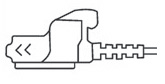
M6
Motorola Multiple Pin
Motorola:
GP900, GP9000, HT1000, JT1000, MT2000, MTS2000, MT6000, MTX838, MTX900, MTX1000, MTX8000, MTX9000, MTXLS, XTS2000, XTS2500, XTS3000, XTS3500, XTS5000, XTS5100, XTS7700

M7
Motorola Multiple Pin
Motorola:
MOTOTRBO, APX6000, APX7000, XPR6300, XPR6500, XPR6350, XPR6550, DP3400, DP3600, DP3401, DP3601, DP4400, DP4600, DP4401, DP4601
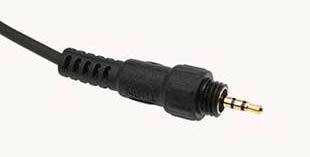
M10
Motorola Single Pin
Motorola:
CLP107, CLP117
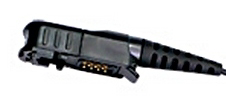
M12
Motorola Multiple Pin
Motorola:
DP2000, DP2400, DP2600, DP3440, DP3441, XPR3300, XPR3500
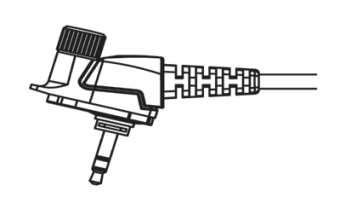
MT1B
Motorola Single Pin
Motorola:
MTP850, MTH500, MTH650, MTH800
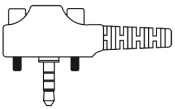
Y2
Vertex Single Pin Right Angle
3.5mm With Screws
Vertex:
VX-160, VX-180, VX-210, VX-210A, VX-231, VX-351, VX-410, VX-420, VX-426, VX-451, VX-454, VX-459, EVX-531
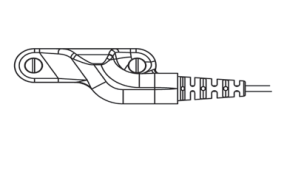
Y6
Vertex Multiple Pin Right Angle
Vertex:
VX-820, VX-821, VX-824, VX-829, VX-920, VX-921, VX-929, VXD-720
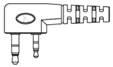
D1
Delta Two Pin Right Angle
Delta:
Pro16, 16L, 200B, 200K
D3
Delta Two Pin Right Angle
3.5mm Stereo + 2.5mm Mono
Delta:
AS300, AS310, AS320
D7
Delta Multiple Pin Right Angle
Delta:
DS400, DS410, DS420
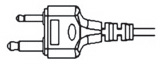
S1
Icom, GME, Vertex Two Pin Straight
3.5mm Mono + 2.5mm Mono
Icom:
IC-F3, IC-F3S, IC-F4, IC-F10, IC-40S, IC-F20, IC-H2, IC-H6, IC-J12, IC-M5, IC-U12, IC-U16, IC-36FI
GME:
TX610, TX6000, TX7000, TX655
Vertex:
VX-200, VX-500, VX-510, VX-520UD
Cobra, Ritron
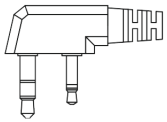
S2
Icom Two Pin Right Angle
3.5mm Mono + 2.5mm Stereo
Icom:
IC-F3G, IC-F3GS, IX-G3GT, IC-F4G, IC-F4GS, IC-F4GT, IC-F43GS, IC-F43GT, IC-F43TR, IC-F11, IC-F11S, IC-F21, IC-F21S, IC-F31, IC-A24
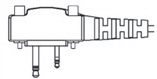
S3
Icom Two Pin Right Angle
3.5mm Mono + 2.5mm Stereo
Icom:
IC-F3G, IC-F3GS, IC-F4G, IC-F4GS, IC-F11, IC-F21, IC-F31, IC-F33, IC-F43, IC-F14, IC-F24, IC-F3023, IC-F4023, IC-41S, IC-41W, IC-41Pro, IC-F3003, IC-F4003, IC-F3130D, IC-4140D
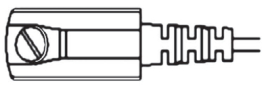
S4
Icom Multiple Pin Right Angle
Icom:
IC-F50, IC-F51, IC-F60, IC-F61, IC-F30G, IC-F30GT, IC-F30GS, IC-F31GS, IC-F31GT, IC-36FI, IC-F40G, IC-F40GS, IC-F40GT, IC-35FIM87/88, IC-F3163, IC-F4163, IC-F3163D, IC-F4163D
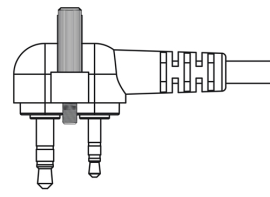
SC1
Simoco Two Pin Right Angle
5mm Stereo + 2.5mm Stereo
Simoco:
SRP9120 SRP9130
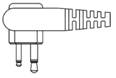
H1
Hytera Two Pin Right Angle
3.5mm Mono + 2.5mm Mono
Hytera:
HYTS2100, TC500, TC600, TC2100, TC446, TC700, TC610, TC620

H2
Hytera Multiple Pin Right Angle
Hytera:
PD702, PD782, PD780, PT580, PD780G
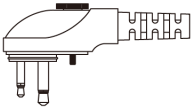
H3
Hytera Two Pin Right Angle
Hytera:
TC700, TC610, TC620, PD500 Series

H5
Hytera Multiple Pin Right Angle
Hytera:
PD600 Series, X1E, X1P, TC380M, TC370M, TC780M, TC780, TC3000, TC610P
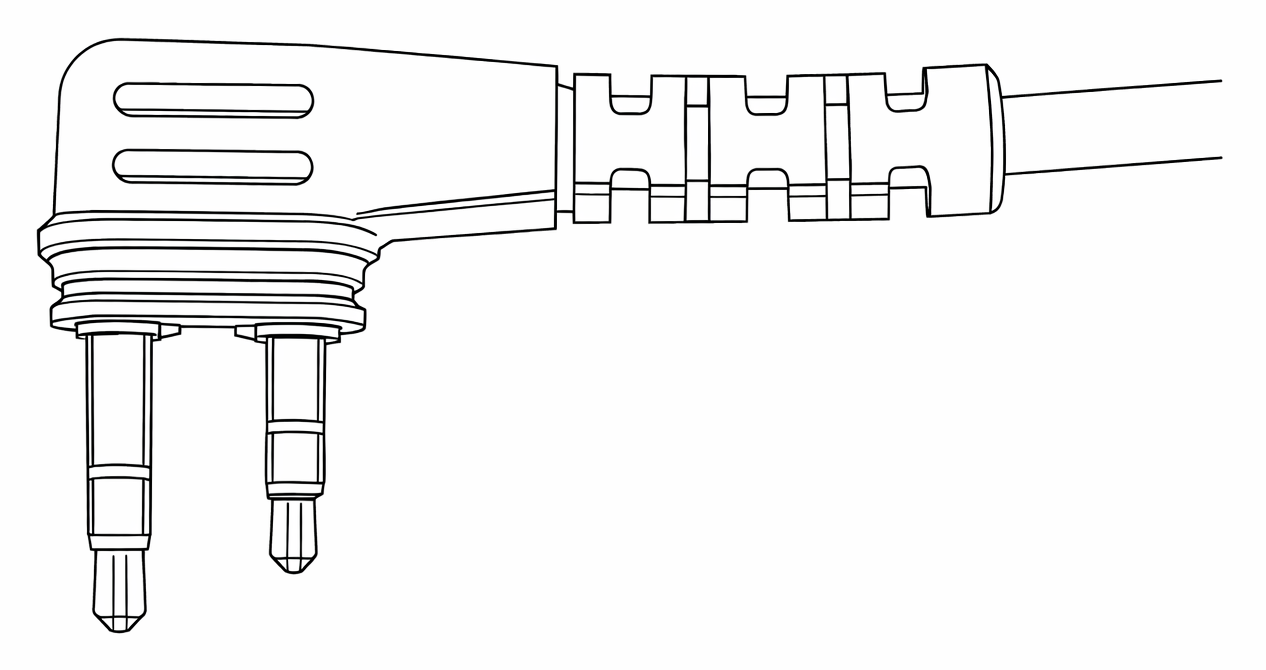
GME
GME Two Pin Connector
Models:
GME TX6160, TX6165, TX6600, CP30, CP40, and CP50 only.
ATEX, UL & IECEx Guide
Please note that Radio Industries Australia Pty Ltd does not classify or take responsibility for the Hazardous Location Settings mentioned in this page, this is just a guide. Please consult your Safety Department for your exact Hazardous Location requirements.
What is Intrinsically Safe?
Intrinsically safe is a term used to describe a collection of devices and equipment that meet the requirements set out by the certification body (ATEX, UL or IECEx) to determine that device or equipment’s safety when used in a hazardous environment.
What is a Hazardous Environment?
A Hazardous Environment is an area where fumes, dust, gas or vapour may cause a fire or explosion when an ignition source is used in the area. For example, you may see a ‘No Naked Flames’ sign in your petrol station when filling up your car, this is because the area is classed as a Hazardous Environment. People who use devices like Two-Way Radios in these environments need to ensure that the device itself complies with the standard set for that particular zone. Often a safety officer will have this information to hand and be able to direct you as to what type of equipment you need for different areas of your plant.
What is the difference between ATEX, UL and IECEx?
The difference between these three is the testing/classification body.
Each rating is created by a recognised standards body with ATEX Being European, UL being American and IECEx often used for international standards. Your company may choose a specific standard to base decisions from.
ATEX Explained
Download the CML ATEX/IECEx Guide HERE - https://www.cmlex.com/wp-content/uploads/hazardous-area-guide.pdf
An ATEX Label will tell you exactly where the equipment can be used based on the Equipment classification and Zones specified. All of the numbers and letters on the label correspond to the level of protection offered and in what environments the equipment can be used. Please consult your safety supervisor for the correct equipment class you require based on the zones you are subject to.
ATEX Equipment is classified by Group, Type of protection, Gas/Dust Group, Temperature class and equipment protection level.
Areas where ATEX must be used is classified by Zones. Each Zone is for a particular Hazardous Environment. Each Zone is explained below. You will then need to use equipment suitable and certified for use the Zone.
ATEX Zones
Combustible Gas & Vapour
| Gas Zone | Description | ATEX Category | EPL | Required Protection |
| Methane | Mines with methane and dust. Equipment remains energised in explosive atmosphere. | M1 | Ma | Two Faults |
| Methane | Mines with methane and dust. Equipment is de-energised in explosive atmosphere. | M2 | Mb | Severe Normal Operation |
| Zone 0 | A place in which an explosive atmosphere consisting of a mixture with air of dangerous substances in the form of gas, vapor or mist is present continuously or for long periods or frequently. | 1G | Ga | Two Faults |
| Zone 1 | A place in which an explosive atmosphere consisting of a mixture with air of dangerous substances in the form of gas, vapor or mist is likely to occur in normal operation occasionally. | 2G | Gb | One Fault |
| Zone 2 | A place in which an explosive atmosphere consisting of a mixture with air of dangerous substances in the form of gas, vapor or mist is not likely to occur in normal operation but, if it does occur, will persist for a short period only. | 3G | Gc | Normal Operation |
Combustible Dust & Fibres
| Dust Zone | Description | ATEX Category | EPL | Required Protection |
| Zone 20 | A place in which an explosive atmosphere in the form of a cloud of combustible dust in air is present continuously, or for long periods or frequently. | 1D | Da | Two Faults |
| Zone 21 | A place in which an explosive atmosphere in the form of a cloud of combustible dust in air is likely to occur in normal operation occasionally. | 2D | Db | One Fault |
| Zone 22 | A place in which an explosive atmosphere in the form of a cloud of combustible dust in air is not likely to occur in normal operation but, if it does occur, will persist for a short period only. | 3D | Dc | Normal Operation |
Equipment Groups
| Equipment Group | Description |
| Group I |
Electrical equipment intender for use in mines susceptible to fire damp |
| Group II | A place in which an explosive atmosphere in the form of a cloud of combustible dust in air is likely to occur in normal operation occasionally. |
| Group III | Electrical equipment intended for use in explosive dust atmospheres |
IECEx Explained
IECEx is very similar to ATEX however some of the definitions for the protection offered do differ so keep that in mind.
Download the CML ATEX/IECEx Guide HERE - https://www.cmlex.com/wp-content/uploads/hazardous-area-guide.pdf
UL Explained
UL is classified by Divisions and Classes. The classes define the substance whilst the Division defines the operating conditions. The classes are also split into subgroups to determine specific and/or equivalent substances.
Classes
-
Class I – Flammable Gases, Vapours or Liquids
-
Group A - Acetylene and equivalent gas groups
-
Group B - Hydrogen and equivalent gas groups
-
Group C - Ethylene and equivalent gas groups
-
Group D - Methane, and equivalent gas groups
-
-
Class II – Combustible Dust
-
Group E - Conductive dust (mechanical – factories, recyclers)
-
Group F - Combustible carbon dust (charcoal & coke dust) - above ground only
-
Group G - Grain dust
-
- Class III – Ignitable Fibres and Flyings (No Subgroups)
Divisions
Division 1 - Locations where ignitable gas/vapor/liquid/dust are present continuously or some of the time under normal operating conditions.
Division 2 - Locations where ignitable gas/vapor/liquid/dust are not likely to exist under normal operating conditions.
Based on the above a rating of ‘Class I, Div 1, Group C, D’ would be given to an environment where Ethylene and Methane are expected to be present continuously
Why Choose Us?
Radio Industries is one of Australia’s longest-running Two Way Radio Communications Companies, operating since 1985. We are Dealers and Distributors of Quality Digital & Analogue Two-Way Radio Systems, and Hearing Protection Equipment.
What Our Customers Think
“Good experience. Product arrived in 2 days, sent express and completely as advertised. Called at one stage about shipping and they were easy to deal with. Happy with the product quality. Would recommend as easy to speak to someone if you have any questions. Great that they request your radio type too to make sure you’re buying the right connection. Thanks guys!”
John Johnson
“Thank you for your assistance with this matter, the whole process from the ‘chat’ onward through invoicing and payment, has been simple and fast. A pleasure to deal with you and your company. Well done from a business perspective, even for an out of the blue approach regarding a relatively minor order.
Regards, and again, thank you for your help.”
Michael Hayes
“Jim and Jacob sorted our order efficiently and quickly. We had our radios here and ready to use 5 days after payment was made. Very impressed with the professionalism of both employees and they really helped us out because we were looking for units that were in high demand and low in stock.”
Tarah Ferguson
Frequently Asked Questions
How Far Can I Get?
Two-Way Radios work on line of sight.
What Channels Can I Use?
CB or Private frequency.
Which Radio Is Best?
There is no definitive answer as there are too many radios to choose from, they work on different systems, contact us for a quote.
Do I Need A Private Frequency?
If you are using your radios on a crane then a private frequency is required in order to comply with OH&S.
If you will be using radios for safety reasons then a private frequency is recommended in order to prevent unnecessary outside interference that can easily be caused with standard UHF CB radios.
What is the difference between a Two-Way Radio, Walkie Talkie and Handy Talkie
Nothing, they all refer to the same piece of equipment however a Two-Way Radio is the preferred terminology in industry. Walkie Talkies and Handy Talkies often refer to toys or recreational two-way radios.
Recently Viewed Products
-
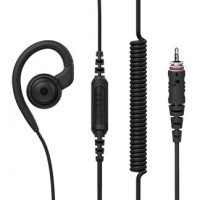 Motorola PMLN8077 or PMLN8078 Long C Hook Earpiece
$51.70 Inc GST
Motorola PMLN8077 or PMLN8078 Long C Hook Earpiece
$51.70 Inc GST
-
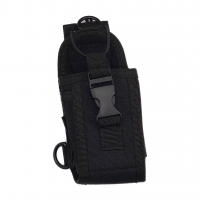 Bravo Nylon Radio Pouch – Tactical Black, Adjustable Fit
$49.99 Inc GST
Bravo Nylon Radio Pouch – Tactical Black, Adjustable Fit
$49.99 Inc GST
-
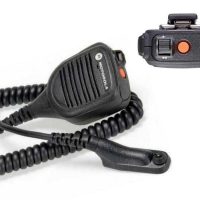 Motorola PMMN4067 ATEX Impres RSM
$447.70 Inc GST
Motorola PMMN4067 ATEX Impres RSM
$447.70 Inc GST
-
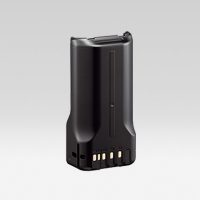 Kenwood KNB-L3 3400mAh Smart Battery
$299.83 Inc GST
Kenwood KNB-L3 3400mAh Smart Battery
$299.83 Inc GST
-
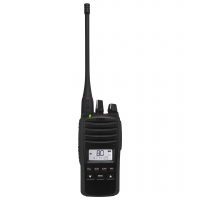 GME TX6600S 5W UHF CB Radio
$467.50 Inc GST
GME TX6600S 5W UHF CB Radio
$467.50 Inc GST